What to know about key energy facilities in Gulf region?

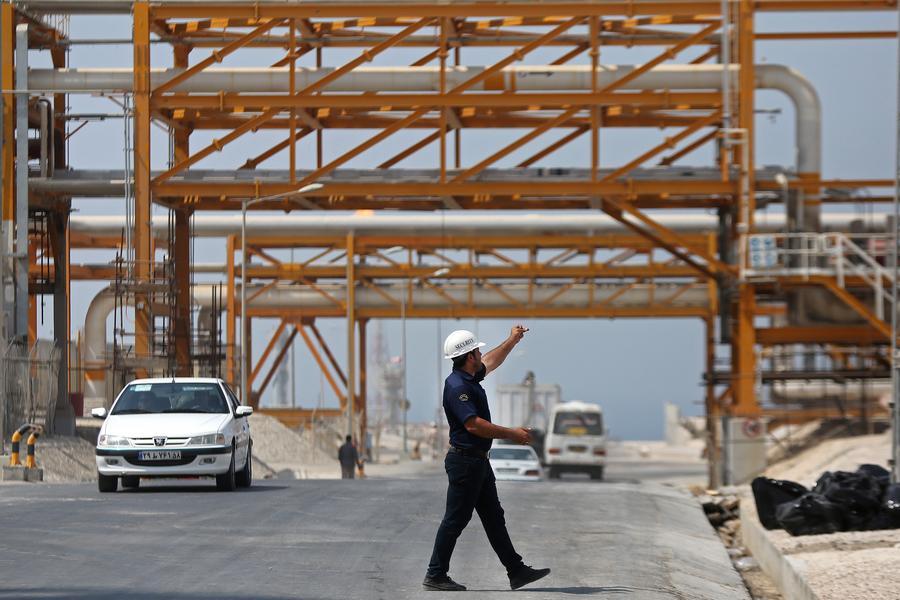
CAIRO, March 19 (Xinhua) -- The Gulf region is home to a wide range of energy facilities, including refineries and liquefied natural gas (LNG) production plants, which are critical to global energy supply and market stability.
However, following Israeli targeting of facilities linked to Iran's South Pars gas field on Wednesday, several energy facilities in the region have been affected by missiles or falling debris, with some operations temporarily suspended.
The strikes on energy infrastructure in the region have raised concerns over supply disruptions, sending oil prices higher.
The following outlines how key energy facilities in the region are being affected by the U.S.-Israel-Iran conflict.
QATAR
Ras Laffan Industrial City, operated by the state-owned petroleum company QatarEnergy, serves as the hub for Qatar's LNG production.
Covering an area of 295 square km, the industrial city has facilities including the Ras Laffan Port, which is the world's largest LNG export facility and capable of handling the largest LNG and other liquid product vessels, according to QatarEnergy's official website.
On Wednesday, Qatar's Interior Ministry said that the civil defense team is responding to a fire in the Ras Laffan area following an Iranian targeting.
QatarEnergy confirmed in a statement that Ras Laffan Industrial City was hit by missile attacks, causing extensive damage and igniting fires.
"Emergency response teams were deployed immediately to contain the resulting fires," the statement said, adding that "All personnel have been accounted for, and no casualties have been reported at this time."

THE UNITED ARAB EMIRATES (UAE)
The Abu Dhabi National Oil Company (ADNOC), wholly owned by the Abu Dhabi Government, is an energy group with a network of fully integrated businesses operating across the energy value chain.
As the attacks increasingly target energy facilities, ADNOC has not been spared.
On Thursday, the UAE authorities said that operations at the Habshan gas facilities, one of the world's largest gas processing facilities operated by ADNOC, have been temporarily suspended due to falling debris from intercepted missiles.
The Bab oil field, the largest onshore oil field in the UAE, operated by ADNOC, was also affected by the attack.
SAUDI ARABIA
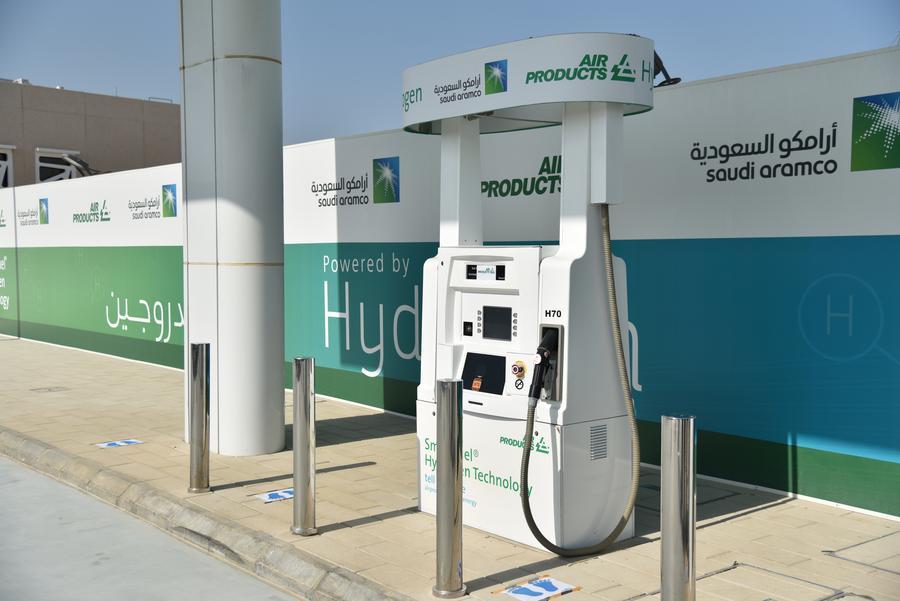
Saudi Aramco, the national oil company of Saudi Arabia and one of the world's largest integrated energy and chemicals companies, was also hit by the attacks.
Media reported that Saudi Aramco's SAMREF refinery in the Red Sea port of Yanbu was targeted in an aerial attack on Thursday, citing an industry source.
Yanbu has also been one of the export outlets for crude oil from Gulf countries since the transportation through the Strait of Hormuz was effectively halted after the outbreak of war late last month.
BAHRAIN
Bapco Energies, Bahrain's integrated energy company, is one of the first oil companies in the Gulf to export oil.
Earlier this month, the company announced a force majeure on its operations due to the ongoing regional conflict and attack on its refinery.
Bahrain's Ministry of Health confirmed that the Iranian drone attack in the Sitra area resulted in 32 civilian injuries, including four in serious condition.
KUWAIT
Kuwait's state-owned Kuwait Petroleum Corporation (KPC) is one of the world's top refiners.
On Thursday, the company confirmed that drone attacks targeted operational units at two of the country's major oil refineries, sparking fires that were quickly brought under control, with no casualties reported.
In a statement, KPC said that a unit at the Mina Abdullah Refinery, operated by Kuwait National Petroleum Company, was hit by a drone, causing a fire at the site.
KPC also reported a separate drone strike on an operational unit at the Mina Al Ahmadi Refinery, which caused a limited fire. The blaze was quickly contained with no injuries recorded.
OMAN
Oman is one of the region's major oil-producing countries. Its energy facilities have also come under attack.
Last week, British maritime security firm Ambrey said oil storage facilities were struck in the Omani port. Oman News Agency also reported that Multiple unmanned aerial vehicles were intercepted and brought down in Oman, while several drones struck fuel storage tanks at the Port of Salalah, the largest port in Oman. ■










Comments